Graeme Swinton
UX Designer
I design digital products and services across web, mobile and apps, working directly with clients and as a senior contract designer within agency teams. My focus is on bringing clarity to complex problems, balancing creative thinking with usability and accessibility.
Get in touch Case Studies
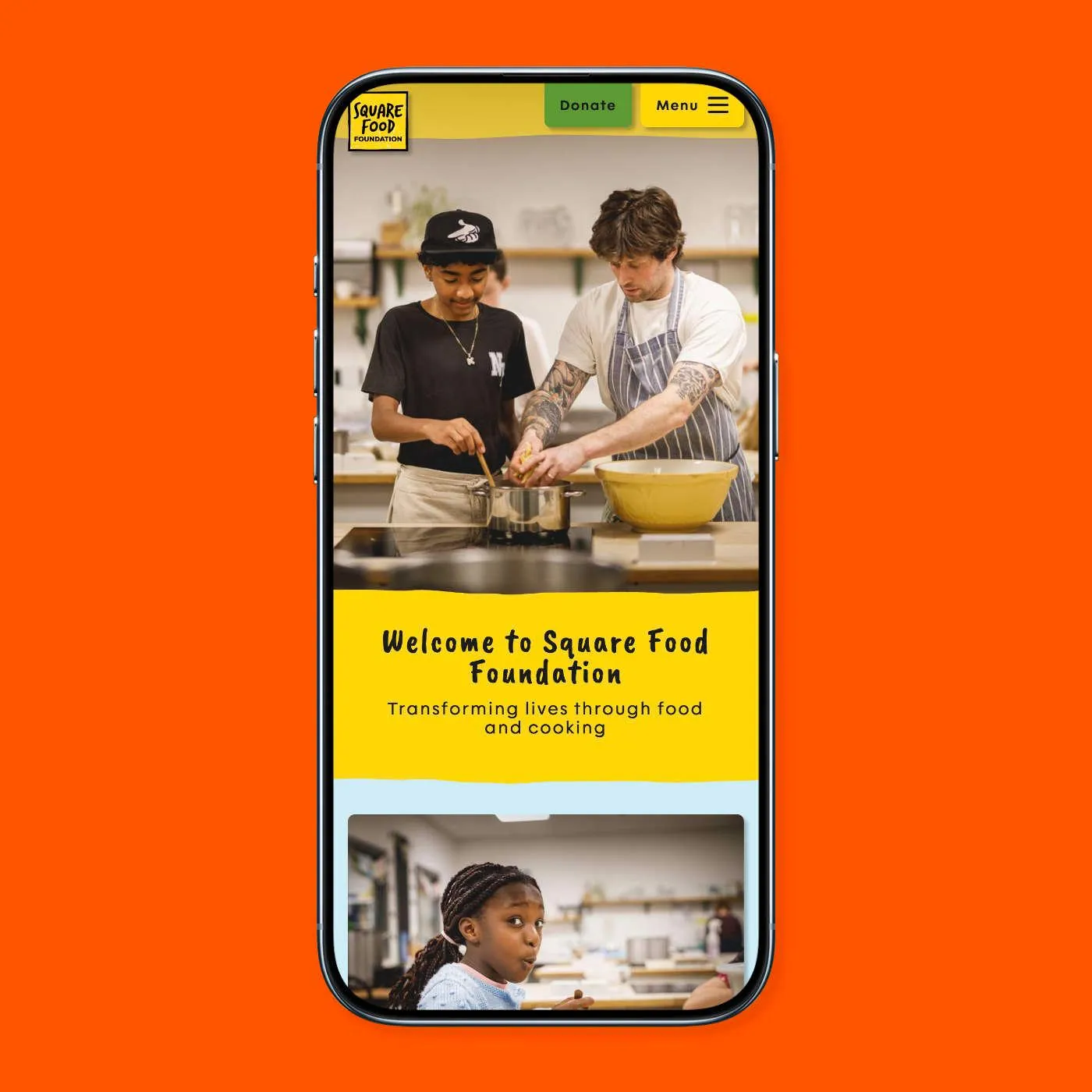
Square Food Foundation
UX research and information architecture
Worked closely with stakeholders to map complex user journeys across courses, volunteering, donations and partner content, identifying friction points and simplifying navigation, page structure and calls to action. Led discovery and UX, focused on accessibility, clarity and user intent, helping different audiences find information and complete key tasks more easily.
Read the Square Food case study 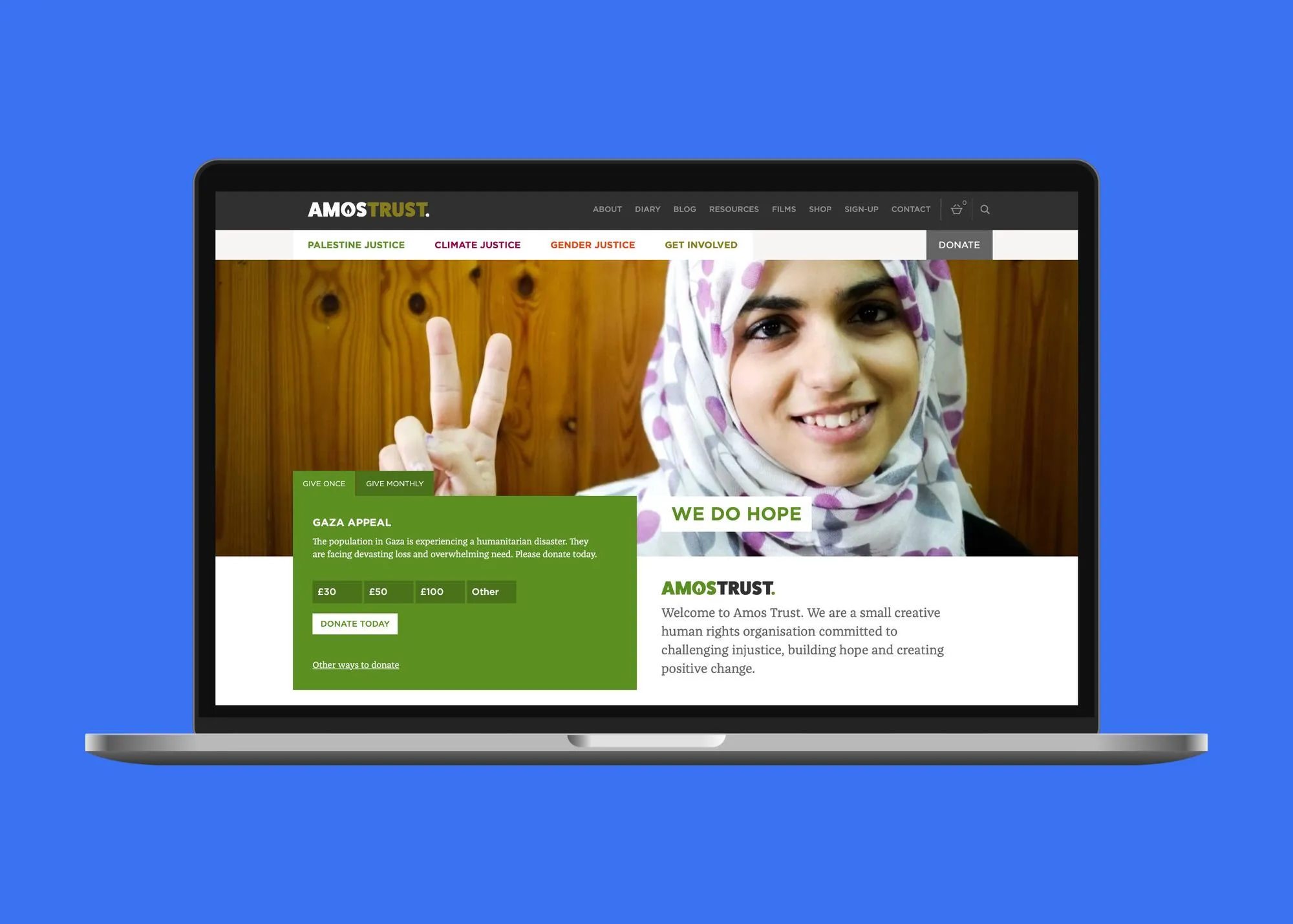
Amos Trust
UX research and website design
Led UX research, interface and interaction design for a human rights organisation, creating a more accessible and user-centred platform to support campaigns, storytelling and supporter engagement. Facilitated stakeholder discussions and translated research insights into clear user journeys, scalable page structures and a visual design system that better reflected the organisation's work and purpose.
Read the Amos Trust case study 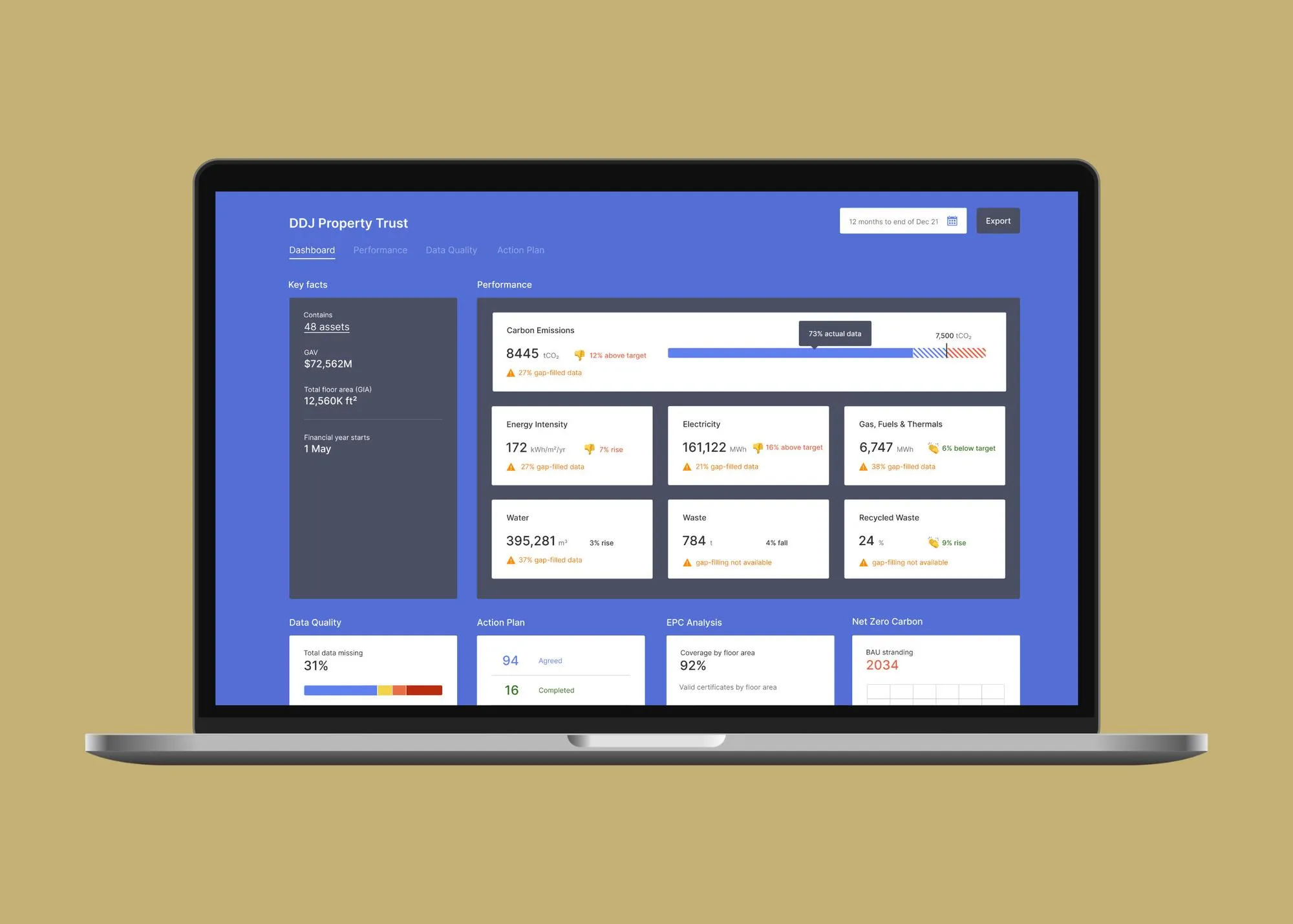
SIERA+
UX/UI design and design system for an ESG platform
Worked across UX and UI design from discovery through to prototyping and delivery for SIERA+, embedded within the core product team at Panda Associates. Translated user research and stakeholder requirements into scalable workflows, interactive prototypes and a reusable design system, helping simplify complex data-rich experiences and give the product a clear foundation for growth.
Read the Siera + case study 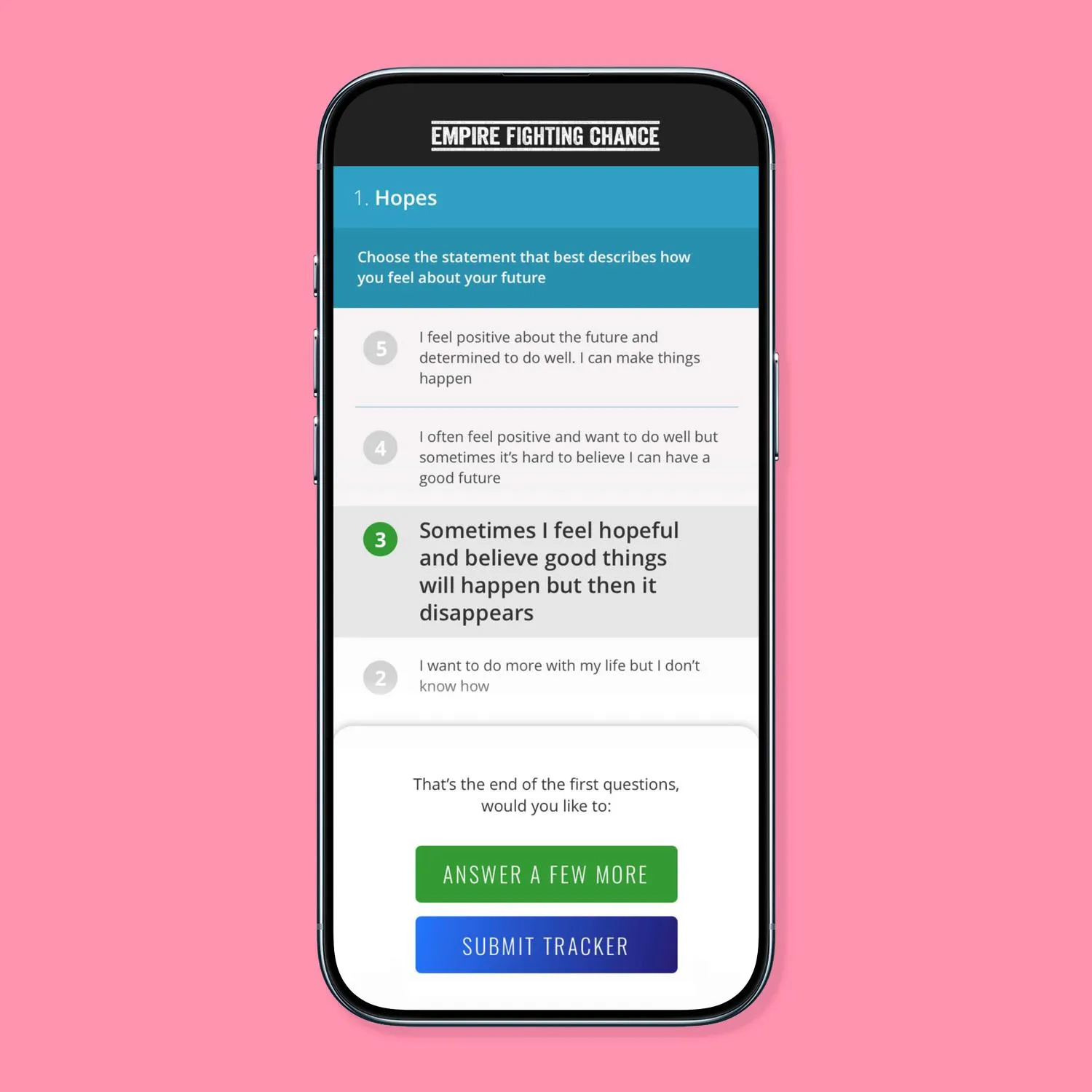
Empire Tracker
UX research and design for a web app
Designed a purpose-built web application to help coaches monitor and track participant progress across youth programmes more effectively. Worked through discovery, workflow mapping and interface design to create a clear, accessible and efficient system that supported both operational needs and consistent programme delivery.
Read the Empire case study
What I do
No two projects follow the same approach. Most work pulls together a mix of these services, shaped around what you or your website actually needs.
Research
Finding out who visits your site, and why.
Design decisions work best when they start with real people. Research uncovers how your site gets used, who your different audiences are, and what each one is actually trying to achieve. That can mean surveys, user interviews and conversations with the teams who run your site. That way, changes are grounded in evidence rather than guesswork.
Usability Review
Checking on how easy your site is to actually use.
A usability review looks closely at your pages to see how well they hold up. Using established frameworks, it checks the content and layout for anything unclear or confusing, and spots the points where people are likely to get stuck. You come away with clear and prioritised recommendations, so you know what to fix first.
Journey Mapping
Tracking the path people take, and where it falls apart.
Journey mapping steps back to see the whole picture. It follows someone from the moment they land on your site, where they came from, through to a key outcome, like booking a trip, making a donation or asking for support, and highlights where that path breaks down along the way.
Structure and Navigation
Making sure people can find what they need, and make sense of it.
Solid content structure lets people scan a page, find what they need and understand it fast. This work looks at how your information is organised, labelled and worded, from the main menu down to each page. It then pinpoints where the content is adding confusion rather than clearing it up.
Prototyping
Seeing how a design works before it goes live.
A clickable prototype lets people use a new design as if it were already live. Ideas can be tested with real users and shown to decision makers while changes are still quick and cheap to make. It gives everyone something real to react to, so feedback gets specific and agreement comes sooner.